
Islamabad’s weather is a living story.
It changes like the chapters of a book when you spend time here. A morning near the Margalla Hills feels cool and breezy, while by afternoon the sun warms the stone walls and parks under a blue sky. Official meteorological science real world forecasts, and lived experience combine to paint a world that is both predictable and surprising pakistan weather in islamabad.
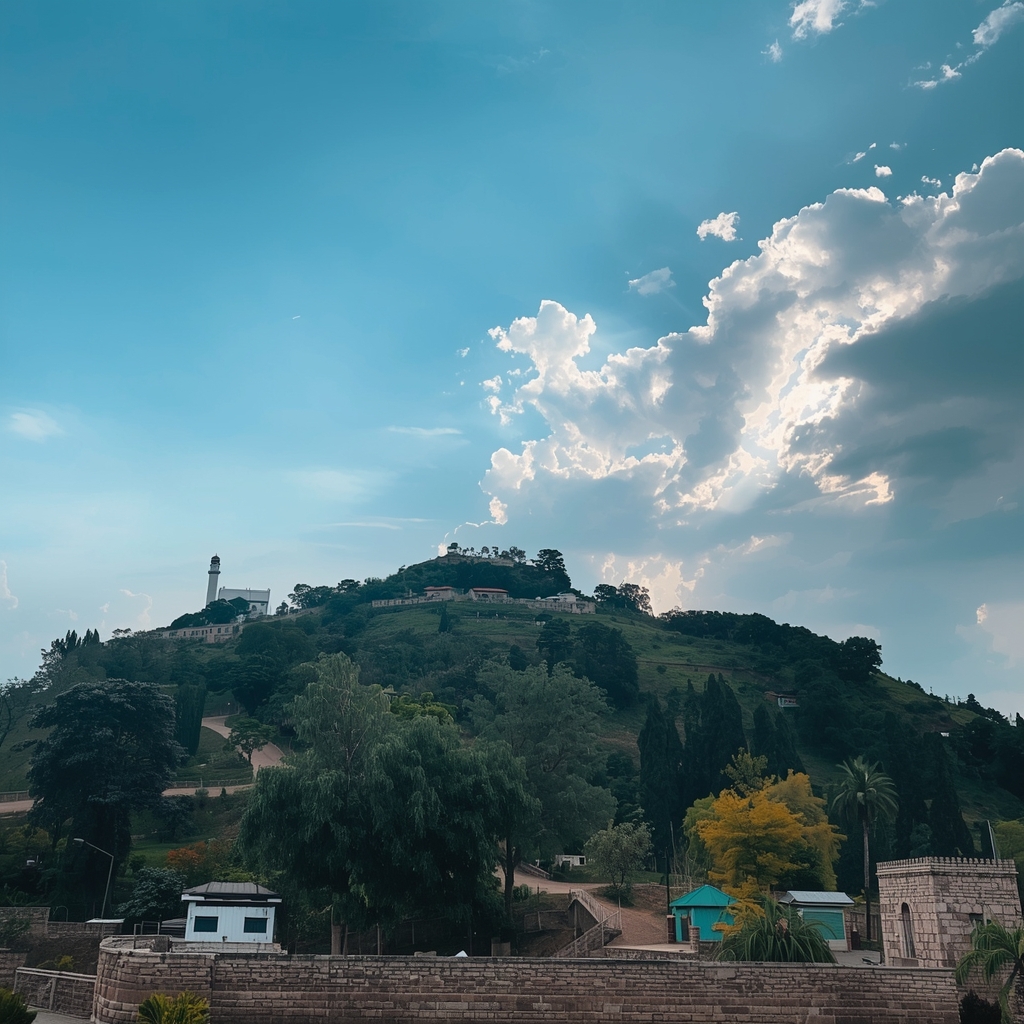
Early April Weather Today
Today in Islamabad, the sky is showing a slight afternoon sun with a high of around 22 degrees Celsius and an early morning low of around 12 degrees Celsius. Winds are light and there is little chance of rain for most of the day. Over the next few days, temperatures are expected to slowly climb towards the high twenties and low thirties in Celsius as we move deeper into April.
This week’s forecast shows mostly dry weather with clear to partly cloudy conditions although some isolated pockets of rain could appear by the weekend morning. Overall it feels like spring is transitioning into the warm, pre summer days that Islamabad is known for in April.
Islamabad Climate Description
Islamabad sits in a humid subtropical climate zone meaning it experiences four clearly defined seasons winter spring summer and monsoon. Spring (March and April) is generally comfortable with mild days and cool nights, while summer (May and June) often sees a rapid rise in temperatures. The rainy monsoon season typically lasts from July to August, bringing heavy rainfall and humidity. Winters (November to February) bring cool, calm mornings that are often covered in fog.
Weather patterns here are not random. The city’s climate is influenced by the western disturbance in winter and the southwest monsoon in summer with continental dry air dominating between seasons.
Temperature trends from cool to hot
If you’ve been here for a year you’ve learned the rhythm of the temperature. In January the average low temperature during the cold season can be around 3 °C while the scorching summer days in June often average over 38 °C. The hottest temperature ever recorded in Islamabad was around 46.6 °C, and the coldest January in decades has dropped below −6 °C.
What makes Islamabad’s weather interesting is its contrast cool crisp mornings with warm afternoons. In today’s spring, you might start the day in a light jacket and end up wishing you had worn sunglasses.
When and how much does it rain in Islamabad
Rainfall in Islamabad is not uniform throughout the year. Most of the rain falls in the late summer months the monsoon brings heavy rains and thunderstorms. In July in particular, heavy storm cells can dump significant rainfall in short bursts. A dramatic historical example of this was in July 2001 when a cloudburst dropped a record amount of rain in just 10 hours, much of it in rivers and low-lying areas.
Outside the monsoon season, rainfall is lighter and less frequent. Spring can bring an end to the occasional showers associated with winter systems but most of April remains dry and pleasant.

How the weather feels in everyday life.
Locals talk about Islamabad’s weather in feelings rather than numbers. Spring mornings are often filled with birdsong and dew on the grass perfect for joggers in parks before office hours. By midday sunny but mild temperatures invite walks in sectors like F-6 and F-7. As summer approaches afternoons become hotter and sunnier sending people indoors or under shady verandas until the evenings cool down.
As monsoon season approaches familiar routines change. Roads can be slick with rain motorbikes can be slowed by standing water and whispered predictions among friends are about whether rain will break the heat or cause traffic chaos. In winter, early mornings sometimes sit in a blanket of fog, and the air feels soft and slow over a warm cup of tea.
Short term weather update and projection
After today’s mild spring weather temperatures are expected to continue to climb into the high 20s and low 30s Celsius over the next few days. There may be a small chance of isolated showers, but rainfall is not forecast as a widespread feature early in the week. Nights will be cool and pleasant, making it a good time for outdoor activities before the summer heat completely dies down.
For farmers travelers and everyday residents the Pakistan Meteorological Department (PMD) is the official source of weather warnings, forecasts, and long-range climate data used for planning and safety.
Conclusion
Talking about Pakistan’s weather in Islamabad is actually talking about warm spring days emerging from the chill of winter, the gradual building of summer heat and finally the arrival of the powerful monsoon rains. Official data and forecasts help anchor what we observe with our senses your afternoon.
FAQS
- What is Islamabad’s weather like in general?
Islamabad’s weather consists of four seasons summer winter spring, and monsoon. - When is Islamabad’s hottest?
Temperatures in Islamabad often reach 38 to 40 degrees Celsius in June and July. - When is Islamabad’s rainy season?
The monsoon season in Islamabad occurs in July and August, when it rains heavily. - Is Islamabad’s winters very cold?
Winters in Islamabad are mild to moderately cold, with temperatures ranging from 3 to 10 degrees Celsius. - What is the weather like in Islamabad these days?
The weather in Islamabad today is mildly cool and sunny with temperatures hovering around 20 to 25 degrees Celsius.