A Moment That Felt Unpredictable
For weeks it seemed like things between Iran and the United States were only going in one direction. Tensions, warnings, and constant fear of escalation were becoming the norm. Then suddenly came news of a two-week truce. It didn’t feel like a grand peace effort. It felt like both sides were backing down at the last second. The Associated Press reports that the decision was less about trust and more about avoiding something worse.
Background on how things got to this point
If you look at how it started, it’s hard to ignore the speed of the escalation. Early 2026 saw military actions that triggered immediate responses from both sides. According to Reuters, strikes and counter-threats were being made in days, not months. That speed made the situation unpredictable. It also made it dangerous. There was little time for diplomacy, which is why this sudden pause feels unusual.
Ceasefire terms A simple deal with complications
On the surface the agreement seems straightforward. Iran allowed safe movement through the Strait of Hormuz and the US suspended military operations for two weeks. But in reality, it is far from simple. There is no deep trust behind it. Each side is keeping a close eye on the other. If one step goes wrong, the entire arrangement could collapse within hours. This uncertainty makes this ceasefire feel more like a test than a solution.
Pakistan’s role behind the scenes
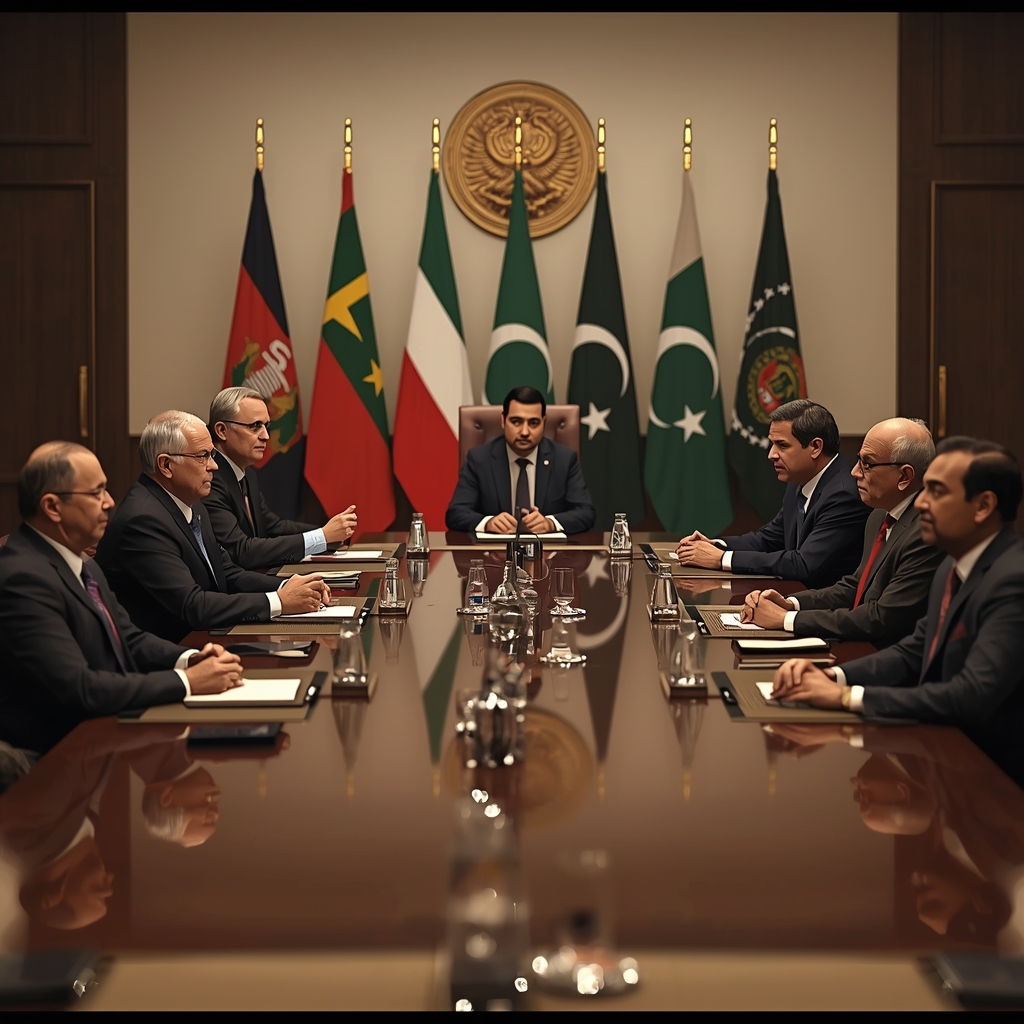
One part that has not received enough attention is Pakistan’s role. Quiet efforts in Islamabad helped keep communications open when direct contact was difficult. Al Jazeera’s coverage points to possible talks taking place there. It shows that countries not directly involved in the conflict can still shape the outcome in important ways. It also highlights how diplomacy often operates in the background rather than in the public eye.
Why the world is watching closely
This is not just a regional issue. The whole world is feeling the impact. The Strait of Hormuz is one of the most important oil routes in the world. Any threat there affects supply and prices everywhere. BBC News reports that a large part of the world’s oil passes through this narrow passage. So when the ceasefire was announced, the markets reacted quickly. There were signs of stabilization in prices, but the reaction was cautious, not confident.
Why the situation still feels unstable
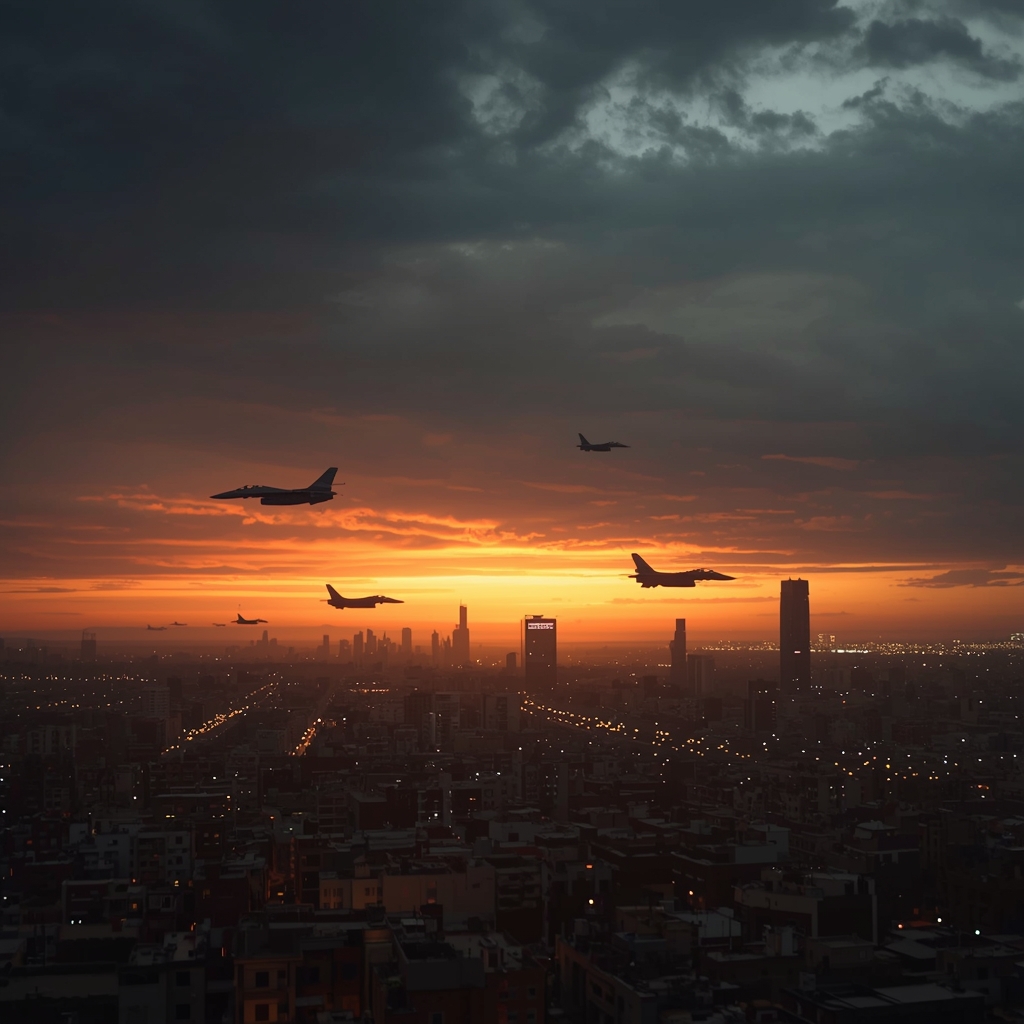
Even with the ceasefire, there is no sense of security. The rhetoric from both sides remains strong and at times aggressive. There are also other regional tensions that are going on in the background. A break between the two countries does not automatically calm the entire region. That is why many analysts see it as a temporary pause rather than a turning point.
What happens next? A difficult road ahead
The next two weeks are critical. Talks can take place, proposals can be discussed, but expectations must be realistic. Issues like sanctions, military presence, and regional influence are not easy to resolve. They are deeply intertwined with long-term strategies. Progress, if it happens, will likely be slow and limited. Still, even small steps can reduce the risk of immediate conflict.
The human side of what this pause really means
Beyond strategy and politics is a simple reality. People living near conflict zones are finally getting a brief respite from fear. Daily life, even in limited ways, is starting to return. It may not sound like much from a distance, but to those experiencing it, it means more than any official statement. A quiet night without explosions can feel like a great relief.
Conclusion
This two week ceasefire between Iran and the United States does not solve the deeper problems. It simply creates space. Whether that space leads to anything meaningful depends on what both sides choose to do next. For now, it stands as a reminder that even in tense situations, it is still possible to step back, even if only for a short time.
FAQS
- What is the two week ceasefire between Iran and the US?
It is a temporary agreement in which both countries stop fighting for two weeks. - Why did the Iran-US ceasefire happen?
The ceasefire was to control rising tensions and the war. - Can this ceasefire lead to a permanent peace?
it is only temporary a permanent peace depends on negotiations. - What role does the Strait of Hormuz play in this ceasefire?
It is a vital oil supply route the security of which is essential for both sides. - What role does Pakistan play in this ceasefire?
Pakistan helped provide a platform for mediation and negotiations.