
Entering Hunza First Impressions
The moment I arrived in Hunza, I felt like I had stepped into a completely different world. The air was crisp, the mountains were immense, and the silence almost magical. Summer is the best time to visit. According to Gilgit-Baltistan tourism reports, Hunza receives over 1 million tourists a year, and the months of June to August are the best window with temperatures around 20-30°C. I could actually open the car window and breathe in the fresh air without freezing or sweating. Driving along the Karakoram Highway, I was surrounded by rivers that sparkled like glass, and mountain peaks that touched the sky.
Exploring Karimabad and Local Life
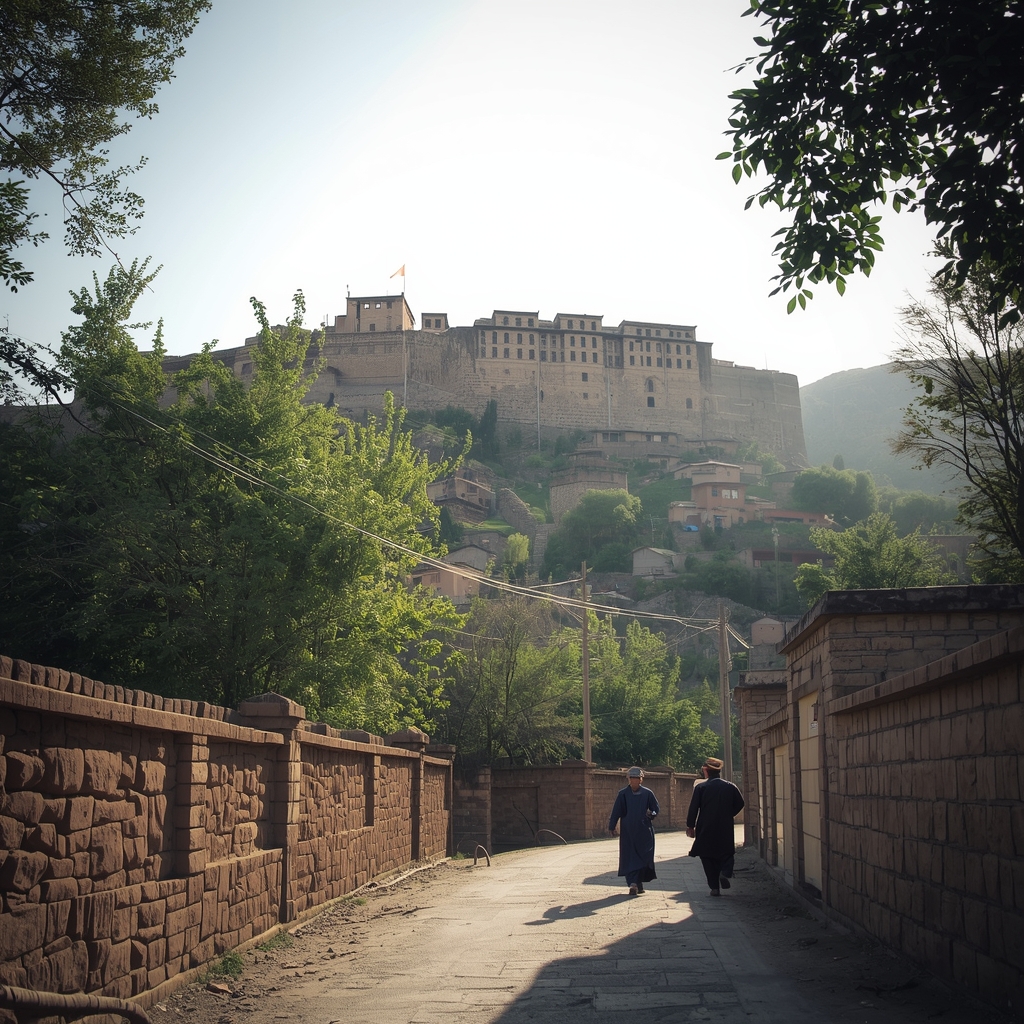
Next I arrived in Karimabad, the heart of Hunza. Walking through its streets felt intimate, as if I were part of everyday life here. I visited Baltat Fort, which, according to Pakistan Heritage sources, stands proudly on a hill that is about 700 years old. I wandered around the fort, imagining life centuries ago, while the locals smiled and exchanged small greetings. I even tried Chapshoro, a Hunza pastry filled with meat and spices and fresh apricots. The simple yet flavorful meal gave me a taste of Hunza culture.
Attabad Lake, a Summer Wonderland
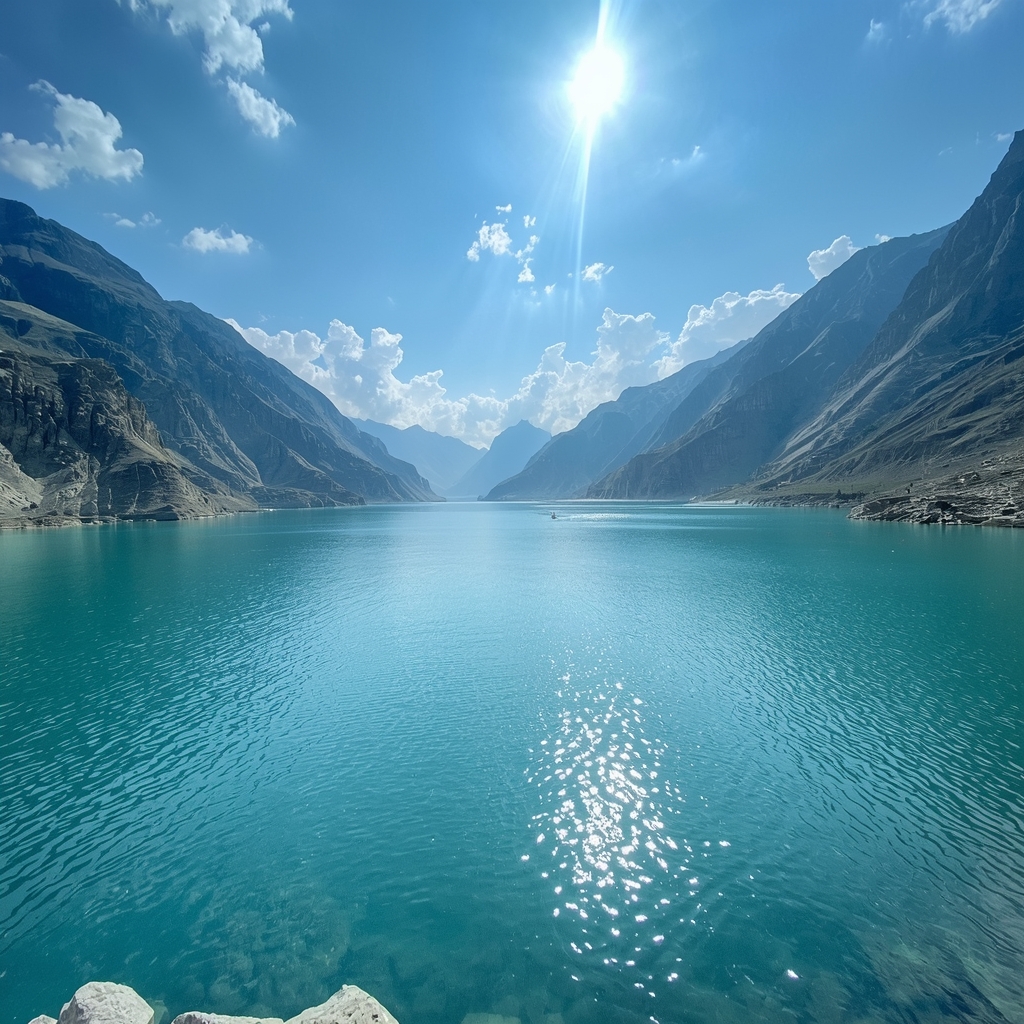
Attabad Lake is a sight that feels surreal. It was formed in 2010 after a landslide in the Hunza River widened it to 13 kilometers of turquoise water. I spent several hours boating on it, watching the reflection of the mountains on the surface. Summer is the best time because the sky is clear, making for perfect photography. Even trying kayaking was a little scary at first, but the calm lake and sunny day made it one of the best experiences of my trip.
Trekking to the Passo Glacier
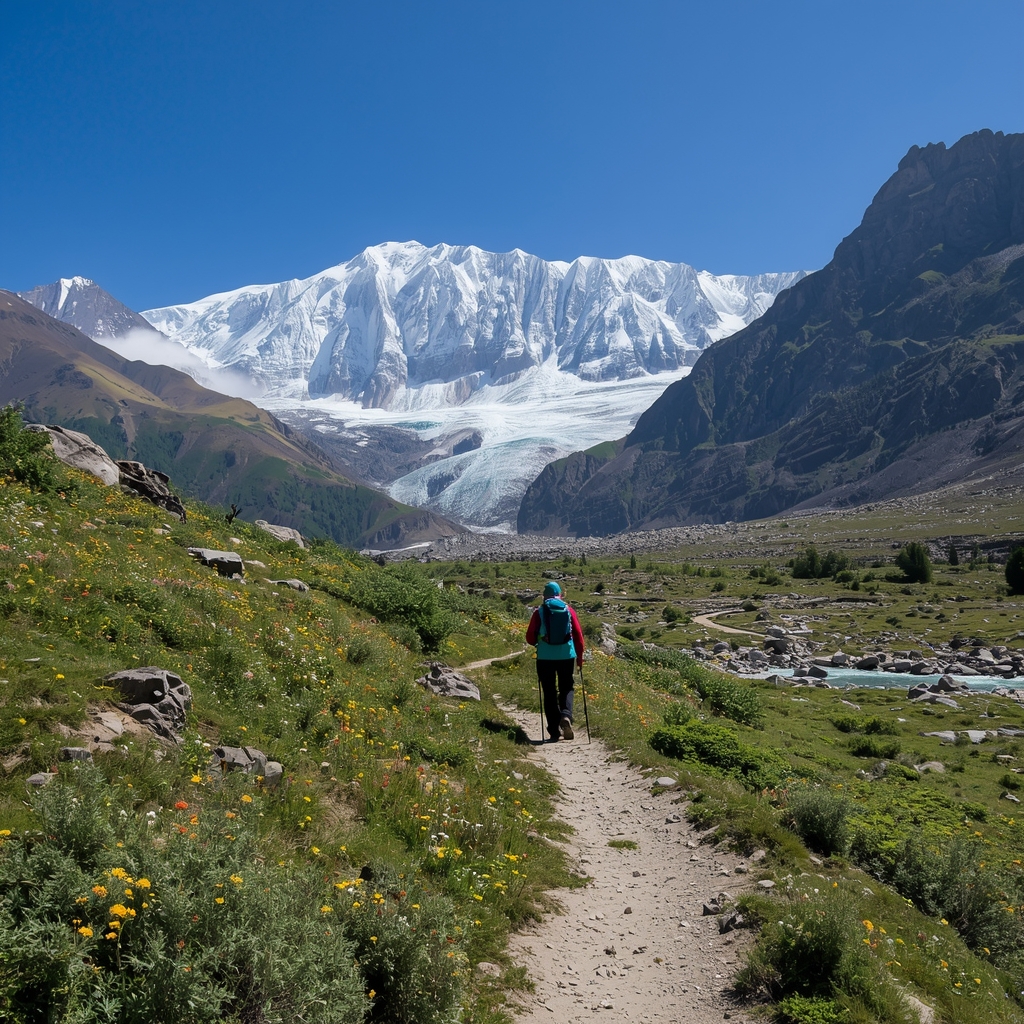
Hunza in the summer means trekking is safe and enjoyable. I took a trail to the Passo Glacier, a 7km-long glacier known for its famous Passo cones. The trail was filled with wildflowers and flowing streams. Every turn offered a new perspective of the towering peaks, and walking through this tranquil valley made me realize how small I felt compared to nature. The Pakistan Alpine Club notes that these glaciers are most accessible in the summer, and I can attest it was the perfect day for hiking.
Visiting Gulmit and Borth Lake
I traveled to Gulmit in Gojal, where the Wakhi people live. The village felt timeless, with old mosques and narrow stone paths. Boredom Lake, nearby, attracts migratory birds in the summer — it is an important habitat for many species, according to WWF Pakistan. Sitting by the lake, listening to the birds and watching the sun hit the water, I felt completely at peace. Summer offers enough daylight to fully explore without any rush.
Markets food and starry nights.
Back in Karimabad, I wandered through local markets selling dried fruits, handicrafts, and souvenirs. I bought a few apricots to take home. Summer evenings are perfect for stargazing. Hunza has almost no light pollution. Experts at Suparco highlight that the summer skies here are crystal clear, making the stars appear like tiny lanterns scattered across the black velvet. I sat outside, sipping green tea, thinking about the mountains, lakes, and trails I had seen.
Leaving Hunza Reflections
On my last day, driving along the Karakoram Highway, I reflected on the trip. Hunza in summer is not just a tourist destination. It is an experience of culture, adventure, and tranquility. From the turquoise lakes to the centuries-old forts, and from the glaciers to the warm local hospitality, every moment felt alive. Official tourism surveys even report that over 90% of visitors are satisfied with their Hunza experience, and I now understand why.
Conclusion
A summer trip to Hunza is unforgettable. The weather is perfect, the roads are open, the trails are accessible, and nature is at its most vibrant. It’s not just about sightseeing; it’s about feeling connected to the mountains, lakes, and people. Every corner of Hunza tells a story, and experiencing it in the summer makes that story come alive. If you ever get the chance, don’t think that Hunza will stay with you for very long after you leave.
FAQS
- When is the best time for a summer trip to Hunza?
Summer from June to August is ideal for Hunza, with perfect weather and accessible roads. - How to get to Attabad Lake on a Hunza trip?
Attabad Lake can be easily visited by driving directly from the Karakoram Highway or taking local tours. - Which season is safe for trekking in Hunza?
Summer months from June to August are safe and comfortable for trekking. - What is the historical significance of Baltit Fort?
Baltit Fort is a 700-year-old heritage site that showcases the culture and history of Hunza. - What essential items should I bring for a Hunza trip?
Light jackets, cash, comfortable shoes, and camera are must-haves for a summer Hunza trip.