
What You’re Really Comparing Today
If you’re searching for HP vs Toshiba Laptops, you’re probably expecting a direct brand comparison. But here’s the honest truth It’s no longer a balanced match. One brand is actively shaping today’s laptop market, while the other has largely moved away from it. I found this out the hard way while trying to recommend a laptop to my friend Toshiba wasn’t showing up in stores the way it used to.

The Brand’s Journey One Step Up, One Step Back
HP has been aggressive in the global PC market, constantly releasing new models and updating its lineup. Over the past decade, it has been among the top laptop vendors worldwide, backed by consistent sales and innovation reports from major tech analysts.
Toshiba took a different path. Around 2018-2020, the company spun off its consumer laptop business and spun it off to Sharp, which now operates it under the Dynabook name. So when people say Toshiba laptop today, they’re usually referring to older models or rebranded business machines.
Availability What you can actually buy.
This is where things get very practical.
With HP, you’ll find laptops almost everywhere—online stores, local markets, even small computer shops. Whether you want something cheap for basic work or a powerful machine for editing or gaming, options are easy to find.
Toshiba (or Dynabook) is different. You won’t usually see it in everyday retail stores. Most of their machines are sold in bulk to organizations, not individuals. That’s a big difference if you’re just trying to buy a laptop for personal use.
Performance Modern Power vs. Stable Simplicity
HP laptops keep up with the latest processors and hardware trends. New models feature regularly updated Intel or AMD chips, better battery optimization, and better graphics support. This makes a difference if you care about speed, multitasking, or future-proofing your purchase.
Dynabook systems, on the other hand, focus more on reliability than performance upgrades. They’re designed to run office tasks smoothly and consistently, but they’re not typically built for heavy workloads or high-end use.
From personal experience, this translates into one simple difference: HPs feel faster and more responsive over time, while Toshiba-style machines feel stable but less exciting.
Pricing Flexibility vs. Predictability
One thing HP does very well is offer choices at every price point. You can start with a low-budget model and move up to premium ultrabooks without switching brands. This flexibility makes it easy to stay within budget.
Toshiba used to be a strong contender in the affordable category. Today, Dynabook devices are often priced for business environments, which means you won’t always find the same variety or price options for everyday buyers.
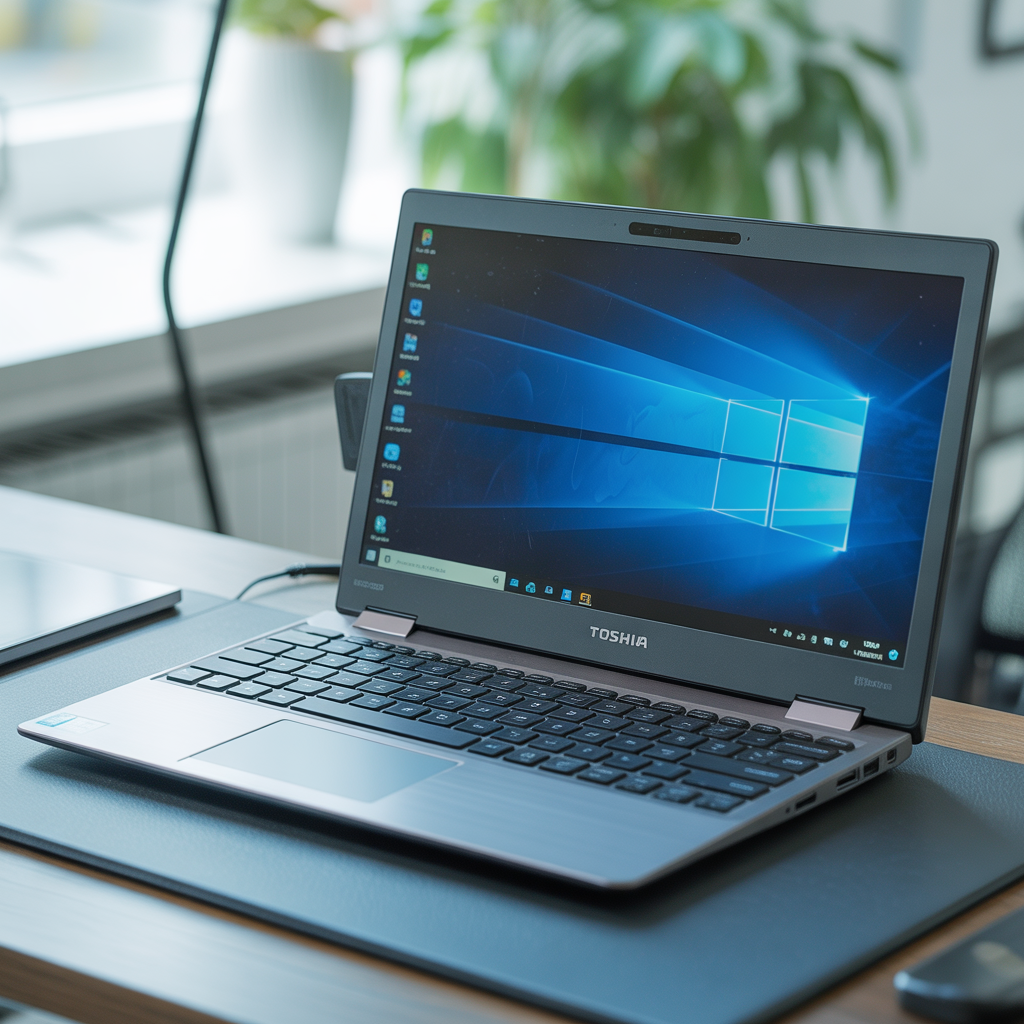
Design Style vs. Function
HP clearly puts effort into how its laptops look and feel. Slim designs, lightweight bodies, and modern finishes are common, especially in the mid range and premium models. If aesthetics are important to you, this is immediately noticeable.
Dynabook laptops follow a different philosophy. They are built to last, not to impress visually. Designs are generally simple and functional, which works well in offices but can feel dated for personal use.
Support and Maintenance A Real World Concern
This is something that people often overlook until it becomes a problem.
HP has an extensive service network, regular software updates, and easy access to spare parts. In many regions, including South Asia, this makes repairs and maintenance much easier.
With Toshiba/Dynabook, support is more limited, especially for individual users. If something goes wrong, it can take longer to get parts or service, which is a risk worth considering before buying.
Market relevance why the gap keeps widening.
HP continues to compete with the big brands and is visible in global rankings year after year. It quickly adapts to trends such as hybrid work, gaming demand, and lightweight computing.
Toshiba’s move away from the consumer market has reduced its visibility and influence. Once a brand disappears from everyday purchasing decisions, it becomes difficult for it to remain relevant – even if the products themselves are reliable.
Real-life use case based on need
Consider your situation
If you’re a student, freelancer, or casual user → HP is a natural fit.
If you’re managing a large number of office systems → Dynabook can still do the job.
But for most people, the choice is clear simply because of availability and support.
Conclusion
At this point, the HP and Toshiba comparison is less about features and more about practicality. HP is functional, accessible, and constantly improving. Toshiba, now operating as Dynabook, is a legacy presence focused on specific business needs.
FAQS
- Are Toshiba laptops available in Pakistan?
used/second hand Toshiba laptops are often available in Pakistan online and in local markets. - How much do Toshiba laptops cost in Pakistan?
Used Toshiba laptops generally cost ≈₹15,000–₹80,000+, depending on the model and condition. - What specifications do Toshiba laptops offer?
Toshiba laptops typically feature specifications like older Intel i3/i5 cores HDD/SSD storage, and 4–8GB of RAM. - Are new Toshiba laptops available in Pakistan?
New Toshiba laptops are rarely officially available in Pakistan mostly used models are available. - Do Toshiba laptops come with warranty or support?
Toshiba laptops often have limited or no warranty from local sellers.
출장마사지는 전문 관리사가 호텔, 집, 오피스텔 등 고객이 있는 장소로 직접 방문하여 근육을 풀어주는 서비스입니다. 피로 해소 목적의 건전한 출장 안마