
I Thought SEO Was Only for People with Big Budgets.
When I Started Learning SEOI Felt Locked Out. I Read Every Guide That Recommended Expensive Tools with Monthly Fees That Made No Sense to Someone Only Experienced with Small Websites. It Felt Like I Was Trying to Enter a Race Where Everyone Else Had Professional Equipment and I Didn’t.
For a While I Assumed I Couldn’t Compete.
But Instead of Quitting, I Started Testing Free Tools Mostly Out of Curiosity. I Expected Limited Features and Poor Results. What I Found Was Different. Many of the Free Tools Aren’t Flashy, But They Were Practical. They Handled the Basic Tasks I Actually Needed.
That’s When I Created My Own System of Work A Simple Free SEO Tools Center That Helped Me Improve My Rankings Step by Step.
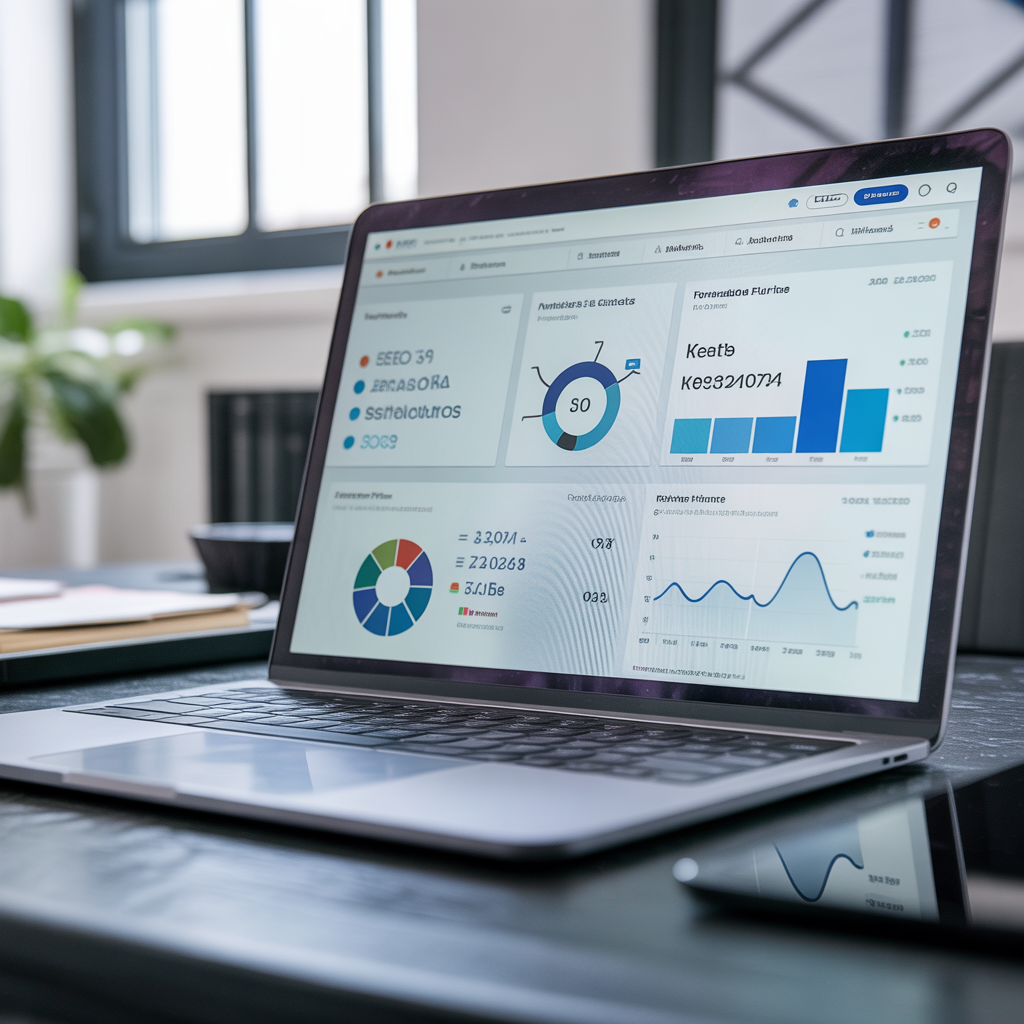
Free tools don’t impress you they support you.
Paid SEO platforms try to do everything in one place. Free tools usually do one thing well. At first, it felt like a pain. Later I realized it was a strength.
I didn’t get bogged down by hundreds of confusing reports. I focused on one improvement at a time: fixing errors, improving speed understanding visitors, and finding better keywords.
This slow, focused learning process helped me understand SEO properly instead of just pushing buttons on advanced dashboards.
Search Console showed me what was really happening.
Real search data changes your perspective.
Connecting my website to Google Search Console was the moment SEO stopped feeling abstract.
I could finally see the same search terms people were using to find my pages. Some keywords were completely unexpected which changed the way I would write content in the future.
A simple solution that helped restore traffic.
At one point my traffic suddenly stopped. I assumed that the competition had increased or the algorithms had changed. Search Console showed something less dramatic several pages were not indexed correctly.
After fixing these issues, impressions gradually returned. I didn’t publish new posts or build backlinks. I just fixed the visibility issues.
This experience taught me that SEO failures are not always strategic failures. Sometimes they are just technical oversights.
Analytics helped me understand why visitors leave.
Traffic numbers don’t tell the whole story
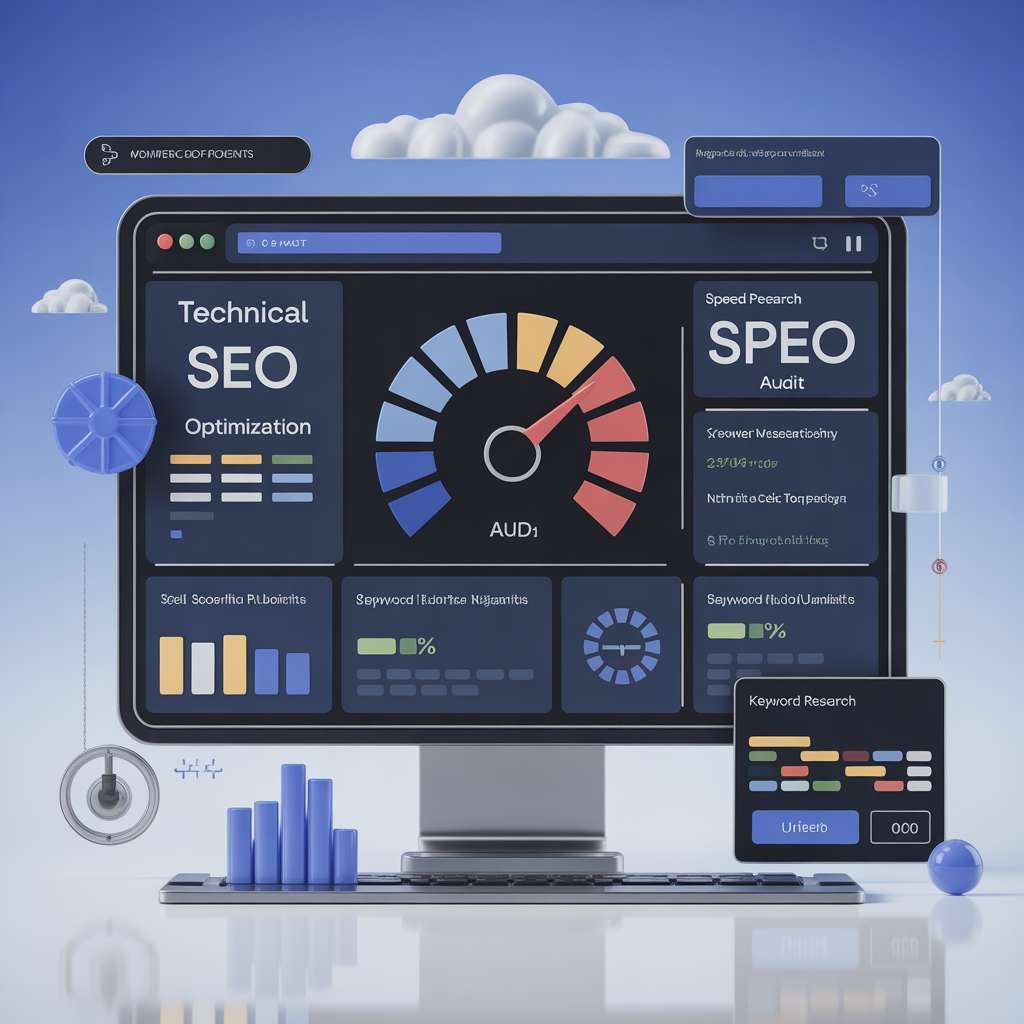
Installing Google Analytics felt like a lot at first, but I gradually learned to focus on simple reports.
One detail stood out: some pages were attracting visitors but not retaining them.
A Lesson in User Experience
Most of these visitors were browsing on mobile devices, while my layout was designed for large screens. The content wasn’t the problem the presentation was.
After improving spacing and readability, engagement improved without changing the subject matter. This small adjustment changed the way I think about content quality.
The speed improvements felt small but made a difference
The testing revealed hidden friction.
I ran performance tests using Google PageSpeed Insights and noticed that my pages were heavier than they looked.
Large images and unnecessary plugins were slowing everything down.
Gradual but noticeable improvements
After compressing images and simplifying design elements pages loaded faster, especially on mobile networks.
Visitors explored more pages, and overall performance felt smoother. It wasn’t an overnight change, but the steady improvements built speed.
Searching Beyond a Search Engine
Trying an Alternative Platform.
Out of curiosity, I set up Bing Webmaster Tools even though most discussions focused solely on Google.
Unexpected insights.
The platform highlighted keyword patterns and indexing details that added context to my search performance.
Although the traffic volume was low, it still consistently brought in visitors. Ignoring alternative search engines meant missing out on opportunities.
Other tools that quietly supported my workflow.
Some tools didn’t seem impressive but solved specific problems
AnswerThePublic helped generate content ideas based on real questions people asked.
Ubersuggest offered a comparison of the difficulty of basic keywords.
Screaming Frog SEO Spider uncovered broken links and duplicate metadata during the audit.
Individually, each tool felt small. Together, they created a reliable system.
My routine became more important than any tool.
Eventually, I stopped chasing new software and focused on consistency:
Regularly reviewing search performance
Updating weak pages instead of just publishing new ones
Monitoring visitor behavior
Fixing technical issues before they escalate
This steady rhythm proved more reliable than constantly changing strategies.
Conclusion
Building a functioning free SEO tools center showed me that website growth depends more on patience and systematic effort than on financial investment.
Tools provided by companies like Google and Microsoft already offer plenty of insight for site owners who are willing to learn and gradually improve.
FAQS
- What is Free SEO Tools Center?
Free SEO Tools Center is a collection of free online tools that help improve website rankings and performance. - Are free SEO tools useful for beginners?
Yes, beginners can easily learn keyword research, site audits, and traffic analysis with free tools. - Do free SEO tools perform as well as paid tools?
Free tools provide basic and essential features that are enough for small websites, but advanced features are limited. - Which free tool is best for testing website performance?
Google PageSpeed Insights is a great free tool for testing website speed and performance issues. - Can free SEO tools improve website rankings?
If the tools are used with the right strategy and regular optimization, rankings can definitely improve.
More Articles on related This Topic:
What are search engines? About search engine optimizationIntroduction
Top SEO Tools to Quickly Increase Your Website Traffic
Blogging Traffic in the USA Trends Data and Growth Strategies (2026)