
How to Drive Continuous Growth
When I first decided to use Pinterest to drive traffic to my blog and small business sites, I thought it would be just another social platform. I was wrong. Pinterest isn’t really a traditional social network it behaves more like a search engine with visuals at its core. That insight changed everything and helped me develop a strategy that consistently drives clicks and engagement.
To understand why Pinterest works so well, you have to look at the platform the way it leads: as a visual discovery engine where users enter with purpose often to search rather than scroll aimlessly. Recent data shows that Pinterest handles tens of billions of search queries each month, and search drives the majority of what happens on the platform.
Let me share what I’ve learned with the help of real numbers and practical steps to building a Pinterest traffic strategy that doesn’t feel like guesswork.
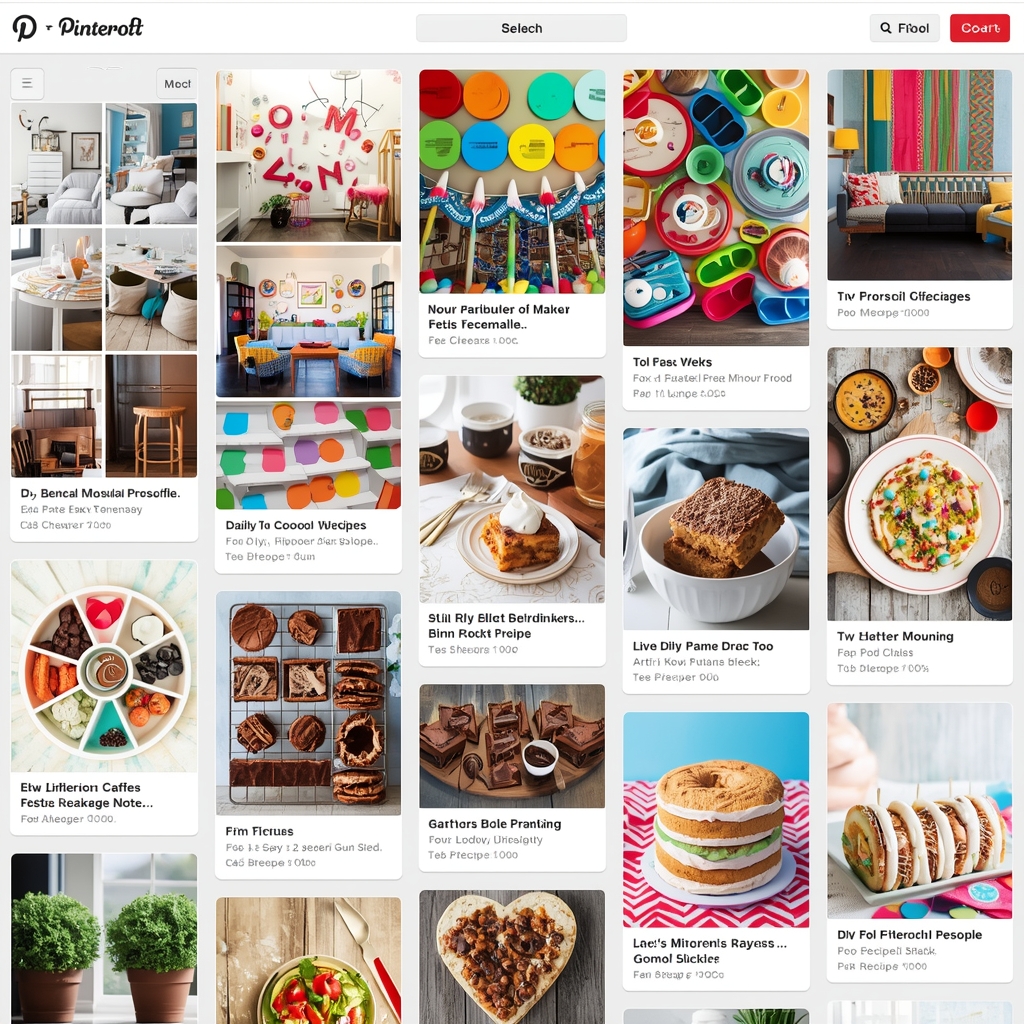
Why Pinterest is more like a search engine than a social app.
Unlike Instagram or TikTok, where content is mostly served to you based on who you follow or what’s trending, Pinterest users actively search for ideas like “DIY bedroom decor,” “spring outfit inspiration,” or “healthy dinner recipes.”
In fact, 96% of Pinterest’s top searches are unbranded, meaning users aren’t looking for specific companies but for inspiration and ideas.
That’s a big deal. From a strategic perspective, your content isn’t competing for attention because of who you are it’s competing because your keywords, images, and descriptions match what real people are typing into Pinterest’s search bar.
This search-driven approach changes how you think about Pinterest. Instead of posting after inspiration, you start optimizing content for keywords and intent, like traditional SEO.
The traffic you can expect the numbers that matter to me.
When I started tracking the results with analytics, I immediately noticed that Pinterest drove traffic in a slower, compounding manner than other platforms.
Here’s what the broader data tells us about Pinterest traffic sources:
Pinterest received about 1.25 billion visits per month at the end of 2025, with many users spending several minutes viewing multiple pages – a sign of intent-driven discovery.
A large portion of Pinterest’s traffic comes from direct and organic search, far more than social referrals. About 34% comes from organic search, while more than half is direct.
In my own experience, organic traffic is the backbone of growth. Pins that rank well in search tend to drive traffic month after month which feels less like chasing an algorithm and more like planting seeds that keep sprouting.
This is in contrast to platforms where content dies after hours or days.
A step-by-step traffic strategy that worked for me.
At first, Pinterest felt overwhelming. There were so many styles, styles, and ideas. But after months of experimenting, I developed a strategy that consistently helped me drive traffic to my niche:
Start with intent-driven keywords.
Before creating a Pin, I researched keywords not by guessing, but by seeing what Pinterest’s own search suggested when I typed the questions into the search bar. For example, typing “meal preparation” showed several long phrases that Pinterest users were searching for things I could directly target.
This is more like SEO keyword research than social media posting. Pinterest’s auto-suggested search features work like a free search insights tool.
Since Pinterest’s algorithm prioritizes keyword relevance over follower count, this step is more important than how beautiful your images are.
Optimize each Pin for search and clicks
Once you have your keywords, your Pins should clearly reflect them:
Titles and descriptions should naturally include primary and secondary search terms.
Text overlays on images help both search and human users understand what the Pin is about immediately.
Pin formats like “Idea Pins” (like short stories) are now performing well because Pinterest promotes formats that keep users engaged.
Over time, I found that Pins not only got more impressions this way, but they also converted those impressions into traffic. One campaign I ran grew by over 200% in just a few months by simply improving the description and design.
Consistency over Virality
One lesson I learned the hard way was that Pinterest doesn’t reward random viral hits as much as consistent presence.
Posting regularly often a handful of Pins each day helps my content appear in multiple user searches.
How to get results over time.
Pinterest traffic doesn’t hit you overnight like a viral TikTok. Instead, it accumulates. The platform remembers the content, and Pins continue to appear in search results for weeks or months.
A lifestyle blogger I follow reported a staggering 433% increase in outbound clicks over several months after setting up a seasonal Pin strategy and optimizing search queries.
This type of compounding effect means that the more you feed the system with quality, relevant Pins, the more likely you are to see long-term traffic growth.
Conclusion:
If you’re still treating Pinterest like just another social posting app, you’re likely to be disappointed with the results. But when you understand the true nature of Pinterest search-driven, evergreen traffic that rewards relevance and consistency your strategy begins to make sense.
FAQS
- What is a Pinterest traffic strategy?
It is a plan or approach in which you plan the steps to drive traffic to your website or blog using Pinterest. - How can traffic be driven from Pinterest?
Traffic can be driven from Pinterest through keyword research, optimized pins, regular posting, and engagement tracking. - What is the relationship between Pinterest SEO and traffic?
Pinterest SEO, i.e. optimizing keywords and descriptions, helps Pins rank in search results, which increases traffic. - How long does it take to see results from Pinterest?
Pinterest traffic can be slow and steady; often, significant growth starts within 2-3 months, and Pins continue to generate traffic for months. - Which is better, free or paid?
Free methods (organic Pins, SEO) are more effective for long-term and sustainable traffic, while paid advertising provides immediate results but at a cost.
강남풀싸롱은 서울 강남 지역에 특화된 형태의 유흥 업소로, 강남 풀싸롱 서비스와 관련된 시설을 의미합니다. 풀싸롱이란 단어는 ‘풀'(풀 타임)과 ‘싸롱'(샤롱)의 합성어 강남풀싸롱
Pingback: Blogging Traffic in the USA Strategies (2026)
https://www.reddit.com/ Reddit is where millions of people gather for conversations about the things they care about, in over 100005 subreddit communities.
Pingback: Level 3 Digital Marketing Course A practical path
온라인에서 토토사이트를 이용하는 유저들은 언제든지 먹튀사이트에 노출되어 있습니다. 저희 먹튀검증사이트.com 에서는 완벽에 가까운 먹튀검증 업체를 선택하는 방법과 최신 먹튀 수법을 방어하는 방법을 알려드리고, 먹튀를 예방하여 먹튀 피해를 받지 않도록 먹튀에 대한 모든 정보를 자세히” 토토사이트 추천